
Archives: Behind the Scenes
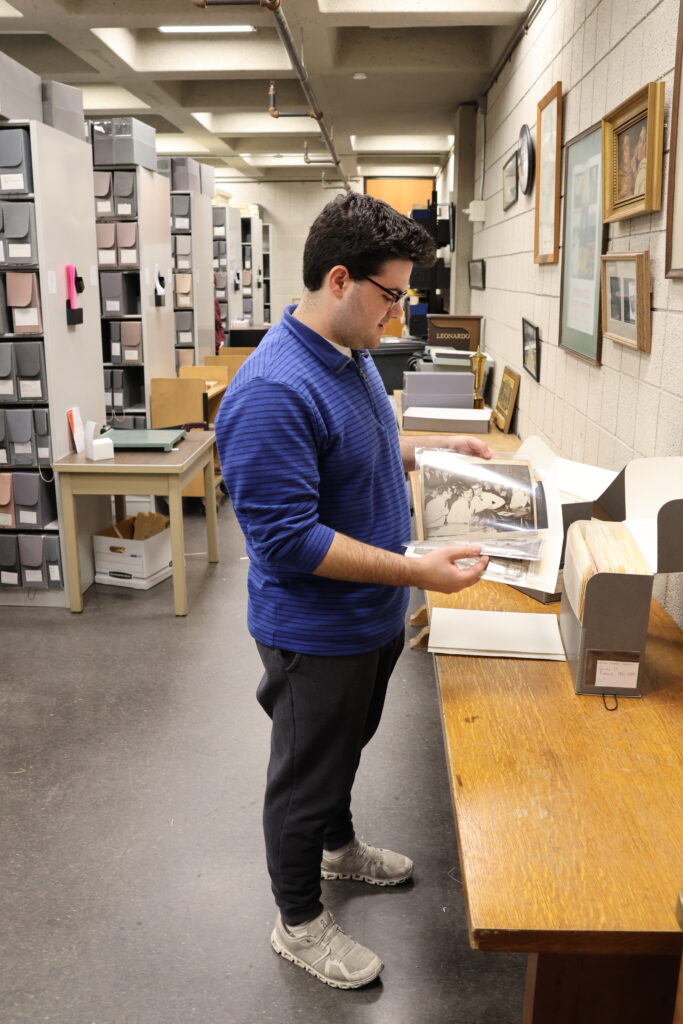
Student workers in the Providence College Archives and Special Collections (PC ASC) take on a variety of projects each semester, including processing collections. Archival processing involves organizing historical and original materials that are collected by the institution, so they are accessible to researchers (like you!).
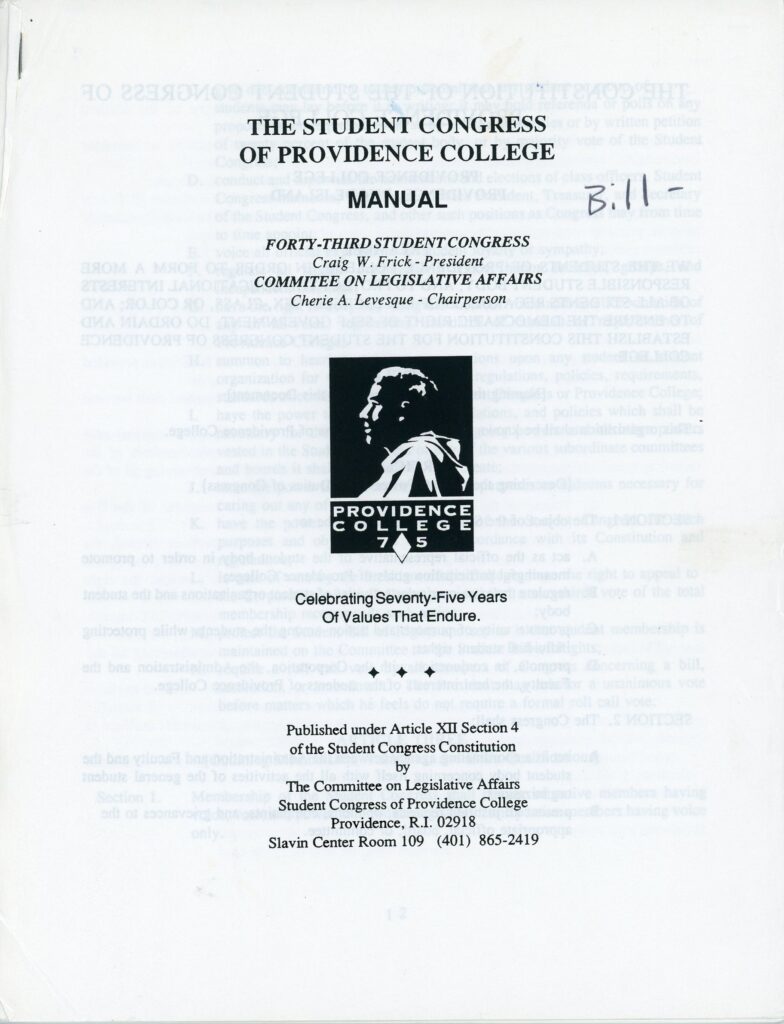
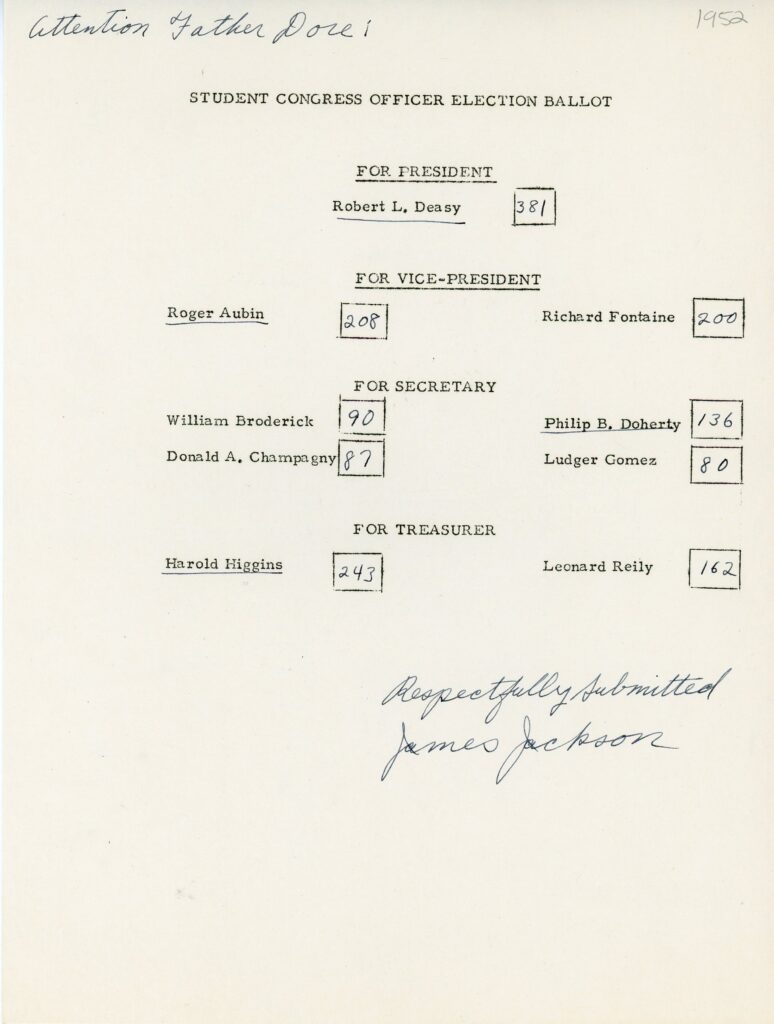
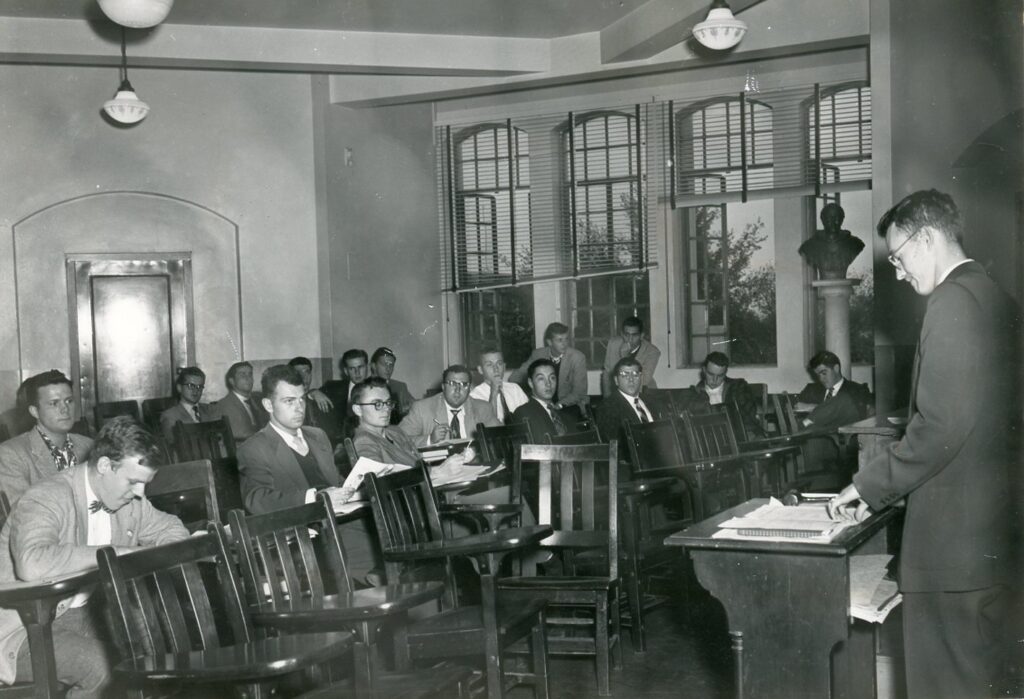
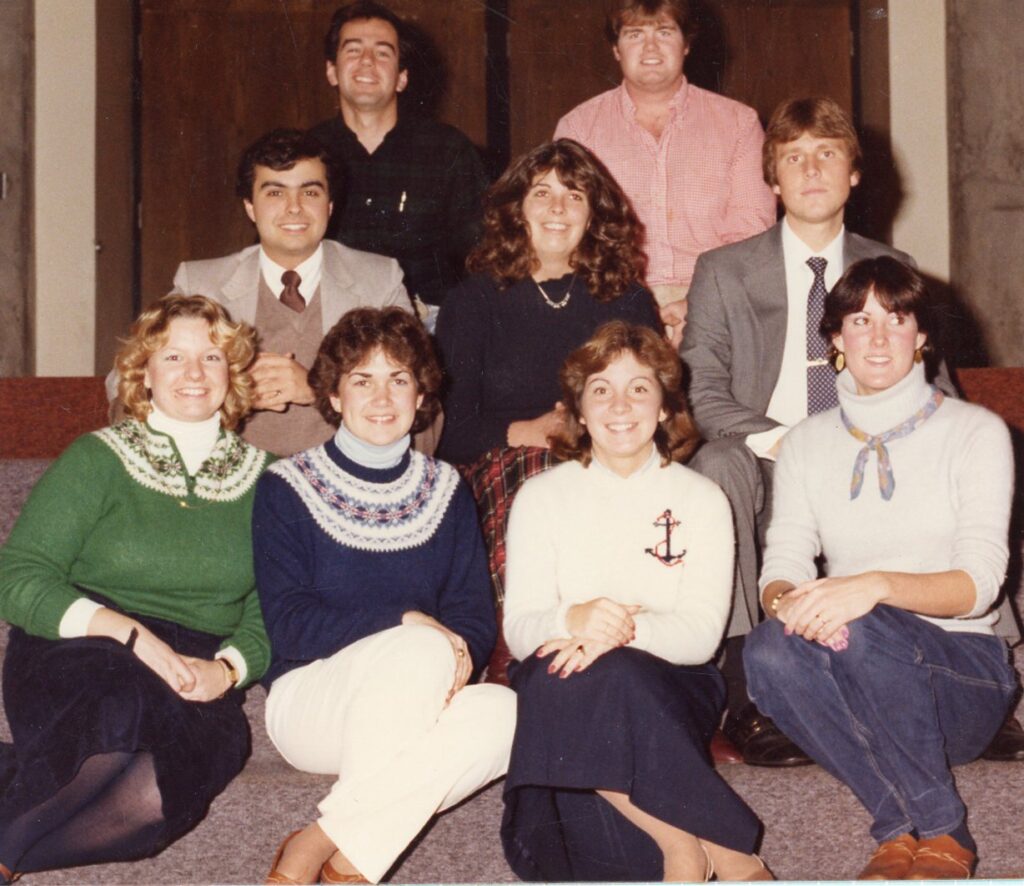
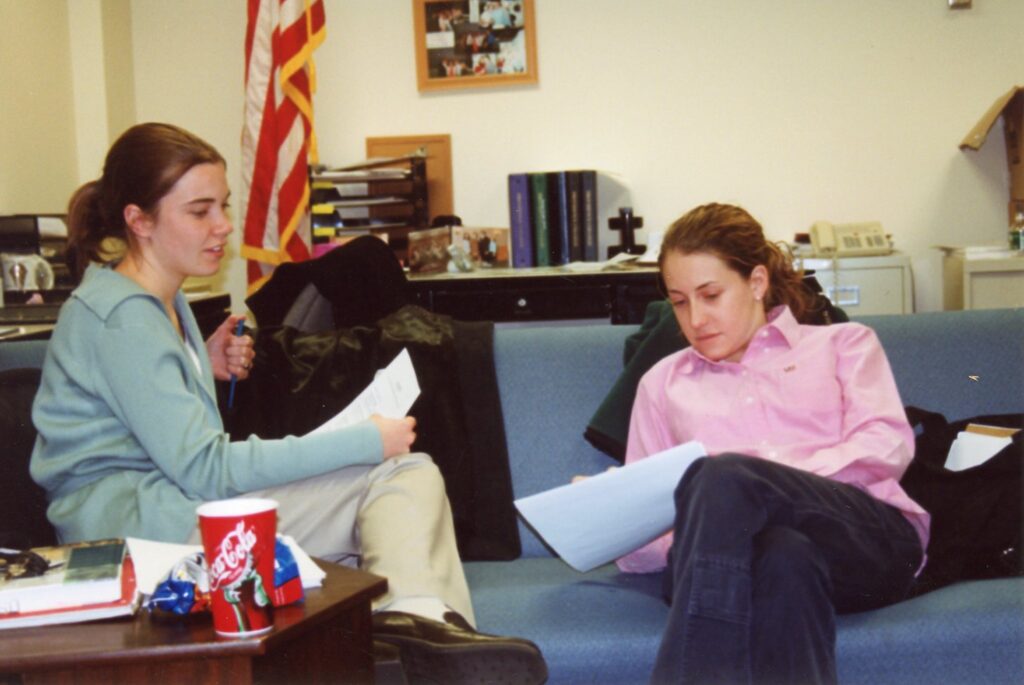
Last semester, ASC student worker Jordon Dunkerley ’27 began processing our Student Congress collection. Founded in 1948, the Providence College Student Congress is comprised of seven committees as well as class elected positions. Their goal: to better the on-campus experience for students through projects, events, and legislation. This collection provides an interesting perspective on PC student life and activities over the past 75-plus years and can help researchers gain an understanding of how students used the Student Congress governing structure to collaborate with administrators and improve their experience on campus.
Student Congress collection Fast Facts:
43 – number of boxes containing the records
77 – number of years documented
16 – number of series (or subcategories) created organize the collection
9 – number of committees (plus special and ad hoc) recorded
Learn more about the project from Jordon:
Why did you choose to work on this project?
I chose to work on this project because I have been a member of Student Congress since my freshman year and have been able to use my knowledge of its structure and composition to reprocess the materials we already had in the collection. I also was able to unanimously pass legislation this year on Congress in order to add Archival Record Transfer policy as an amendment to the Student Congress Constitution.
What was something unexpected you found while processing the collection?
Something unexpected I found was the large amount of correspondence between the club officers and Fr. McPhail during the time he was the Student Congress advisor. He was involved with many of the initiatives of Congress and always working with the executive officers and committee chairs on their many projects.
What did you learn from working on this project?
From working on this project, I learned about how involved Student Congress has been in on campus discourse throughout its history. From the Vietnam War to COVID-19, Student Congress has passed legislation, hosted events, and worked on projects to inform the student body and make their experience on campus the best it can be.
How do you think this collection will be useful in the future?
I think the Congress collection serves as a great ground level view of what Providence College Students cared about or were thinking about at any moment in time. The legislation passed by Congress reflects the values and needs of the students on campus during the time it was passed, and meeting minutes can help piece together what students were talking about. Anyone looking into campus life could use the Student Congress collection as a great way to contextualize the thoughts and words of faculty or administration around the same time.